


Caring for the Whole Athlete — On and Off the Field
March 2026
During his college football and NFL career, safety Myron Rolle approached athletics with all the aggression and physicality required by a contact sport. At the time, he didn’t think much about how an injury to his head, spinal cord, or bones might affect his body long term.
Now, as Dr. Myron Rolle, a neurosurgeon at Nemours Children’s Hospital, Florida, he views things differently. “As a surgeon,” he recently said, “I tell young athletes to focus on fundamentals and good technique to keep their bodies safe through their sports career so that through the rest of their lives, they’re able to be functional as the leaders of tomorrow that we know they can be.”
Dr. Rolle’s comments came during a pediatric sports safety panel Nemours Children's recently hosted during THE PLAYERS® Championship, where Nemours is the pediatric health sponsor for the event.
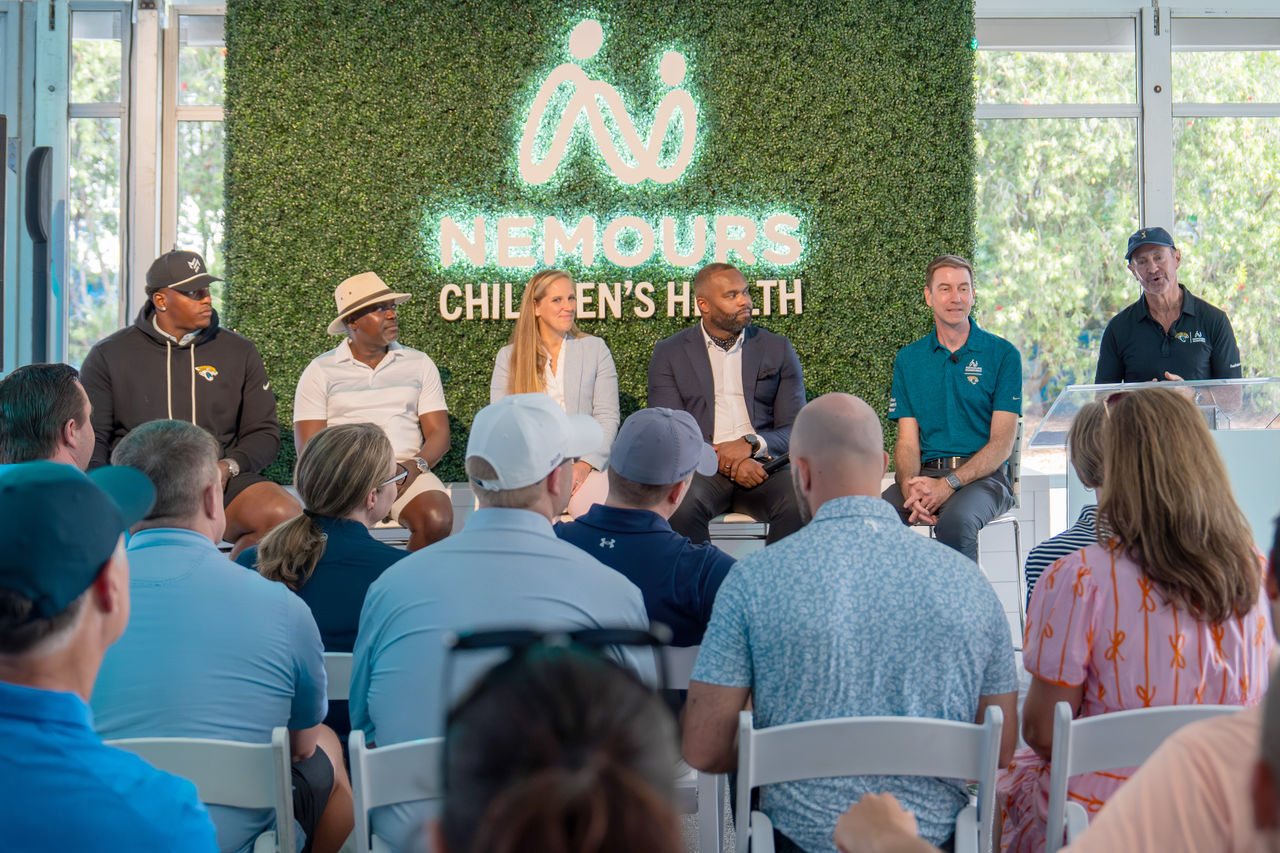
Sports Safety Panelists (L to R): Maason Smith, Dr. Alfred Atanda, Dr. Stephanie Pearce, Dr. Myron Rolle, and Dr. Aaron Carpenter with Dr. Larry Moss (at podium)
Sports play an incredibly important role in childhood. They help kids build confidence and emotional resilience, learn teamwork, develop discipline, and discover a lifelong joy for movement.
But in recent decades, the landscape of youth sports has changed. Training has become more intense. Seasons are longer. Specialization is happening earlier. Many children and teens are feeling both internal and external pressure to perform and achieve.
At Nemours, part of building the healthiest generations of children is supporting young athletes’ physical, emotional, and developmental needs. Just as we provide medical care to treat illness and injury, we also want to help families and coaches benefit from the latest research to promote both physical and emotional safety. In caring for the whole athlete, we can help kids navigate the wins and losses without losing their joy for movement or their long-term health.
Health Is More Than Performance
Only a small portion of any child’s health is shaped by visits to a health care provider. The majority of health is influenced by everyday factors that parents and coaches can monitor and support: things like hydration, nutrition, sleep, conditioning, and mental well-being.
Nemours Whole Child Health approach to sports safety delivers expert clinical care when injuries occur and extends our expertise in injury prevention and healthy development beyond our walls into homes, schools, and community sports programs. It determines not only how children perform, but whether they can continue to enjoy sports without injury or burnout.
Prevention Is Powerful
Prevention is more than just helmets, pads, and safety gear. Overuse injuries, stress fractures, and chronic pain often develop quietly, especially in children who are training year-round or playing through discomfort. In developing brains, even a single concussion can lead to lasting symptoms, including headaches, dizziness, and higher rates of depression.
Knowing when to rest, rotate activities, or take a break can make the difference between a short pause and a long-term setback. We cannot expect children to know their own limits or advocate for themselves. The adults in their lives must actively look out for their best interests, especially in the face of unhealthy pressures.
Mental Health Is Part of the Game
Any discussion of sports safety must consider mental health. At our recent panel, Jacksonville Jaguars defensive tackle Maason Smith spoke powerfully of how his own injuries in college took an emotional toll on him. “I leaned on the support system I have, and it got me through,” he said. “I wish [young players] would learn from injury setbacks that the world isn’t ending. There’s always going to be a light at the end of the tunnel.”
Parents and caregivers should regularly check in with children, using how they are feeling about their sport as a performance metric, right alongside wins and losses.
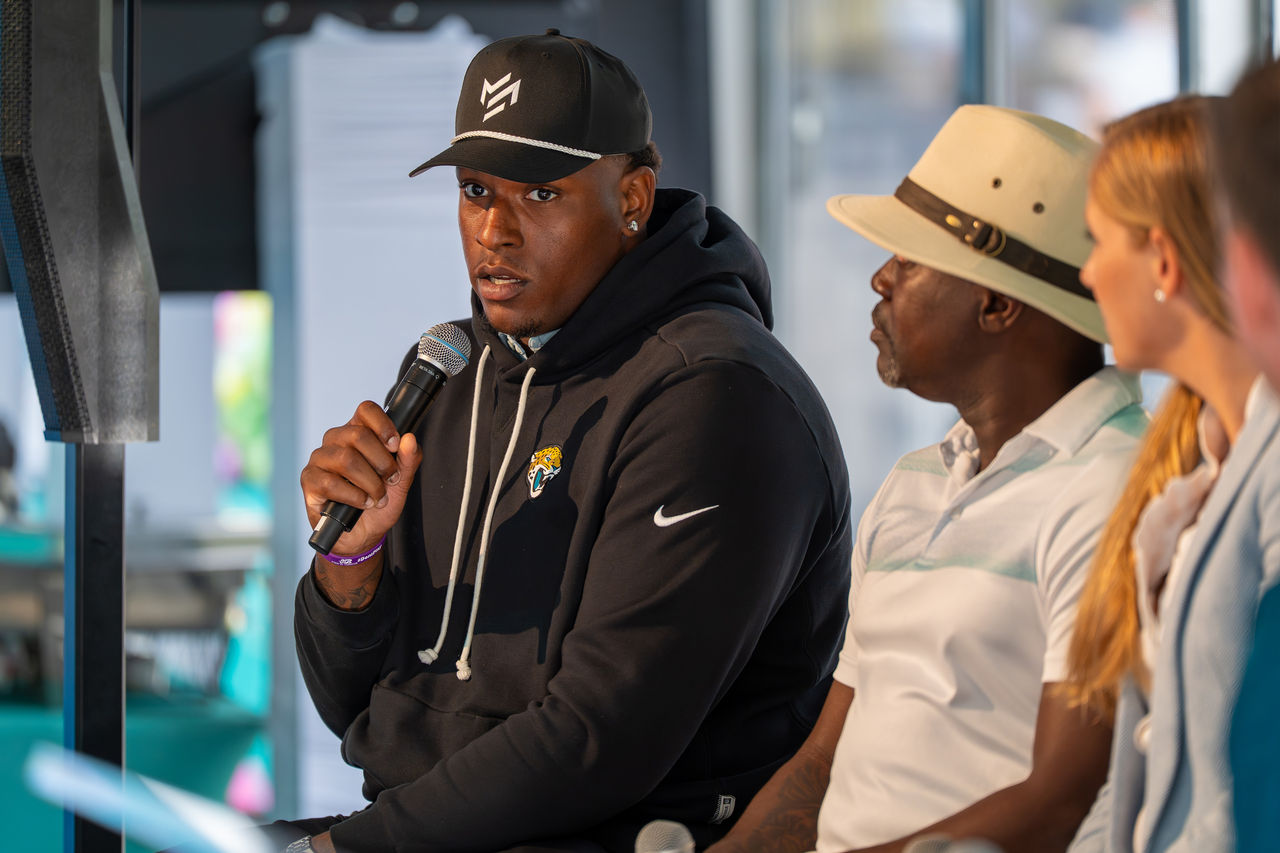
Maason Smith
Learning to listen to one’s body and mind is a life skill we can teach our children. They should hear early and often that it is important to rest, recover, and step back when stress or injury demands it. Some of the world’s most accomplished athletes have done exactly that, returning stronger and healthier because they did.
Building Safer Systems Together
Keeping young athletes healthy doesn’t fall to families alone. I see health systems like Nemours as the quarterback of a team that includes families, schools, leagues, communities, and policymakers.
As pediatric health experts, we bring deep knowledge about injury prevention, recovery, and long-term outcomes. As a whole team, we can create safer rules, better return-to-play policies, and environments that protect children while still allowing them to compete and grow.
When we focus on the whole child, we help ensure that sports remain what they should be: a source of health, joy, and lifelong opportunity.

About Dr. Moss
R. Lawrence Moss, MD, FACS, FAAP is president and CEO of Nemours Children’s Health. Dr. Moss will write monthly in this space about how children’s hospitals can address the social determinants of health and create the healthiest generations of children.